When I heard my name announced, for a moment I couldn’t breathe. It felt unreal. I wasn’t thinking about the stage or the lights I was thinking about Gaza, about my people, about every person I photographed whose story became part of this award.
This recognition is not just for me; it is for every civilian who suffered, every family displaced, every child who held onto life with unimaginable strength.
My first feeling was a mix of gratitude and responsibility. Gratitude for being heard, and responsibility to continue telling the truth, no matter the cost.
Q: As you documented these harrowing scenes in Gaza, was there a moment when you realised the project would carry the weight it does now?
Yes. I realised it inside a hospital in Gaza while photographing a wounded child who refused to let go of his mother’s hand. In that moment, I felt that what I was capturing was no longer just an image, but part of the memory of a people being erased before the world’s eyes. I understood that these photographs had to become the final witnesses to a truth that words could no longer carry.
Q: What impact do you hope this award will have on your future projects and your mission as a photojournalist?
I hope this award will amplify my mission rather than celebrate me. It gives my work a wider platform one that can push the world to look at Gaza with honesty, not politics.
For my future projects, it strengthens my responsibility to continue documenting with integrity, to protect the stories of civilians, and to ensure that their suffering is neither forgotten nor distorted.
If this award achieves anything, I want it to open more doors for the truth to be seen.
Q: What is the single most important piece of advice you would offer them especially those who want to create work with real social impact?
My biggest advice is simple: stay human.
If your heart is not present, your work will never carry real impact. Listen to people, stand with them, and let their stories shape your vision. Technical skills can be learned, but empathy cannot.
Create with honesty, not with the goal of winning awards and the world will feel the truth in your images.
Q: Many young photographers struggle with confidence especially when tackling emotionally difficult subjects. What guidance would you offer them as they learn to trust their voice?
Trust is built in the moments when you feel most afraid.
If a subject shakes you emotionally, it means you are alive inside the story and that is where real photography begins. Don’t run from that feeling; learn from it.
Your voice grows stronger every time you choose honesty over perfection, and humanity over technique. With time, you will realise that confidence is not the absence of fear, but the courage to keep shooting despite it.
Q: Why do you think competitions like IPA matter for photographers at different stages of their careers, and how should entrants approach the experience?
Competitions like IPA matter because they give photographers visibility and open doors to new opportunities. They can guide young photographers and challenge experienced ones to keep growing.
My advice is to enter with honesty: submit work that reflects your true voice, not what you think judges want. Winning is great, but the real value is in how the process sharpens your purpose and commitment.
]]>A Night to Remember – Honoring Vision, Truth, and the Power of Images
On October 5, 2025, within the timeless halls of the Benaki Museum in Athens, the global photography community came together for an evening that celebrated vision, truth, and the unyielding human spirit. The 22nd International Photography Awards (IPA) Gala was a night of emotion and inspiration — a tribute to the photographers who continue to shape how we see the world.
The 2025 edition once again highlighted the transformative power of photography, honoring artists whose work captures both the fragility and strength of the human experience. Twenty-two category winners from the Professional and Non-Professional divisions were recognized for their exceptional contributions, each telling a story that extends far beyond the frame.
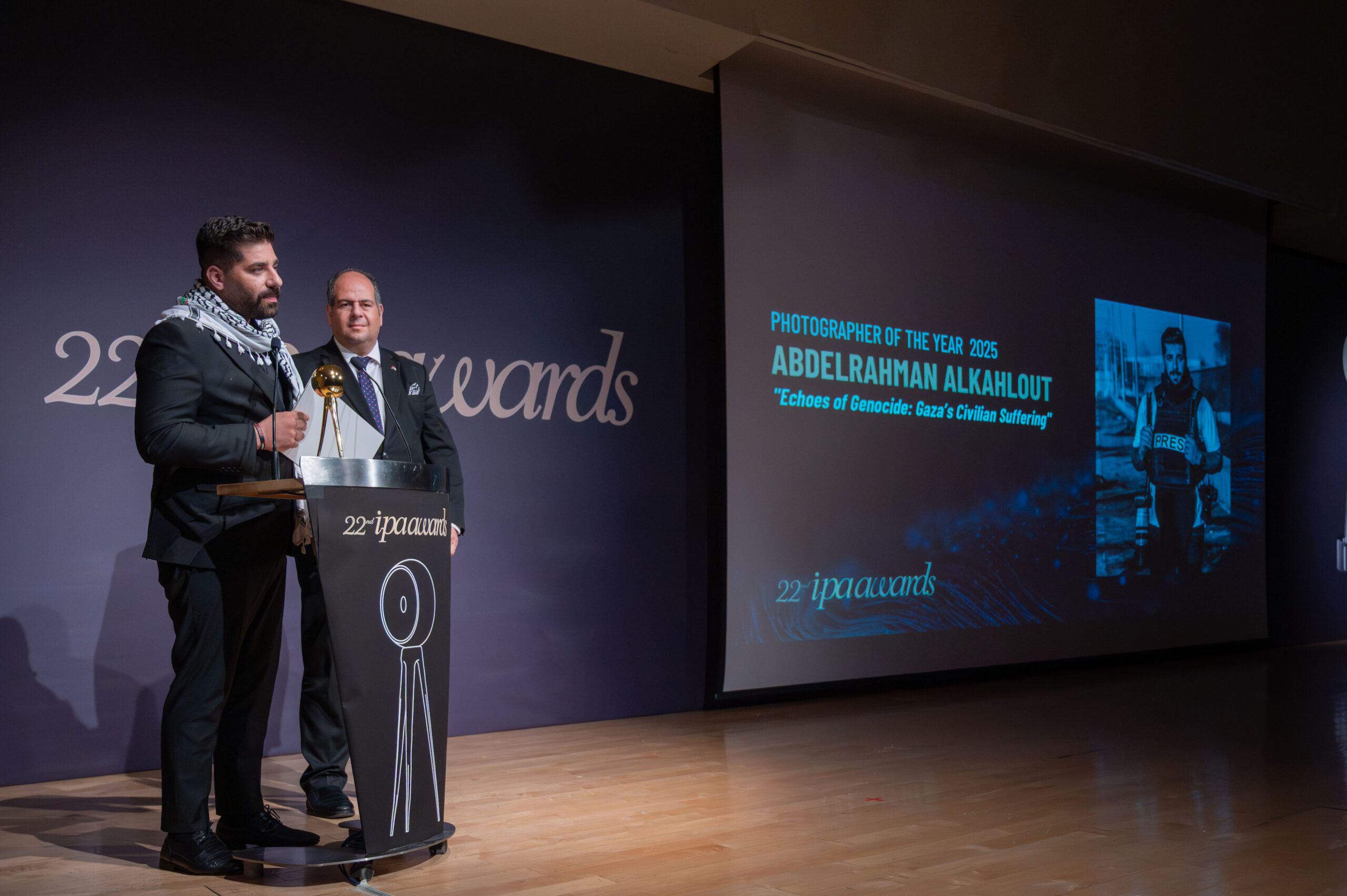
Among the evening’s most powerful moments was the recognition of Abdelrahman Alkahlout, awarded IPA Photographer of the Year 2025 for his poignant series “Echoes of Genocide: Gaza’s Civilian Suffering.”
Alkahlout’s photographs form a searing yet compassionate record of life under siege — moments of heartbreak and endurance, loss and defiance. His work speaks not only to the suffering of his people but also to their extraordinary strength and dignity. Each image compels the viewer to look closer, to confront the human cost of conflict, and to recognize art’s capacity to serve as both witness and act of remembrance.
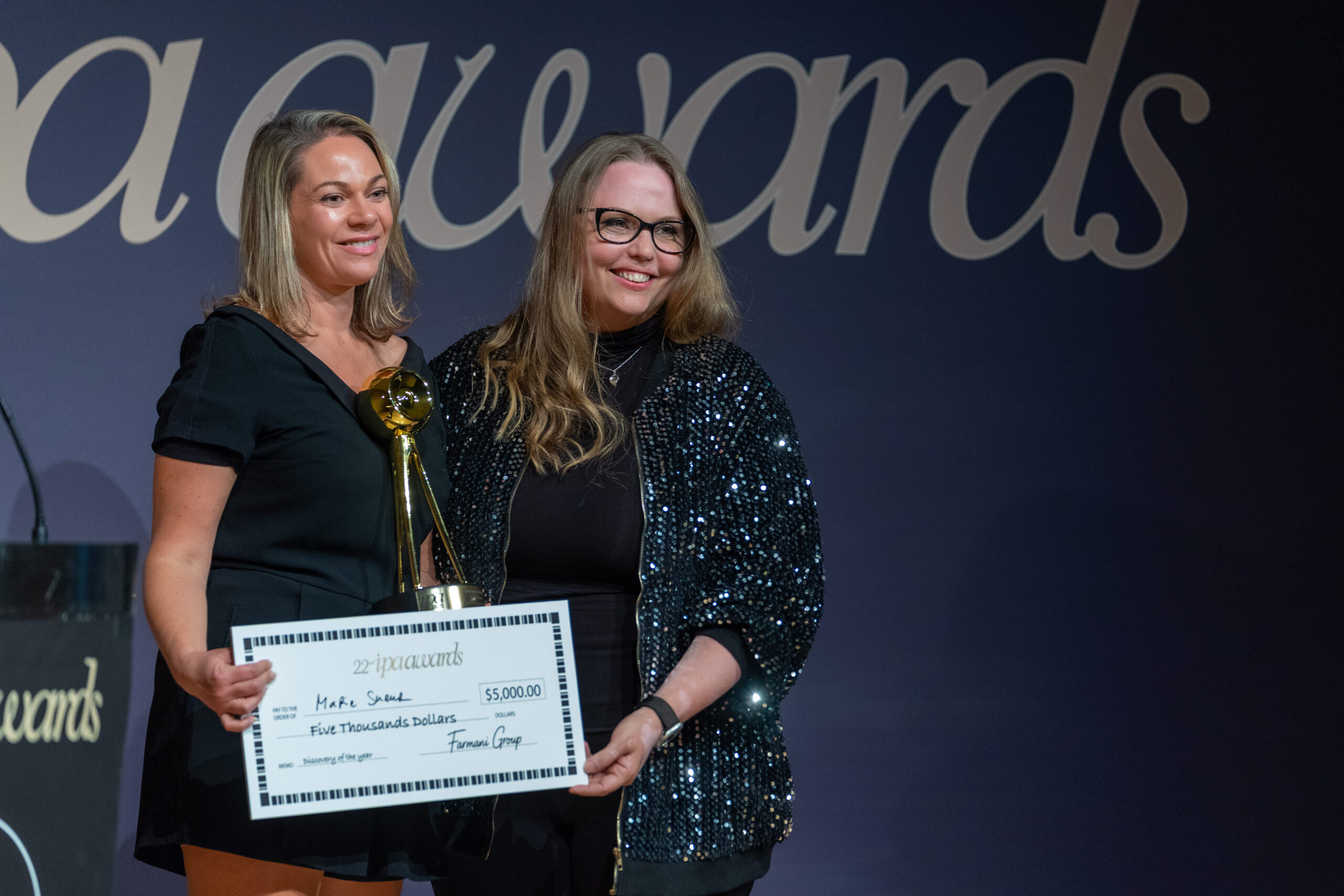
The IPA Discovery of the Year 2025 honor went to Marie Sueur for her hauntingly lyrical series “Murmures de l’âme” (Whispers of the Soul). Through her camera, Sueur explores the liminal space between reality and reverie, giving form to emotions that words cannot contain. Her images suggest an inner world — one of silence, fragility, and reflection — that feels especially vital in a time dominated by noise and surveillance.

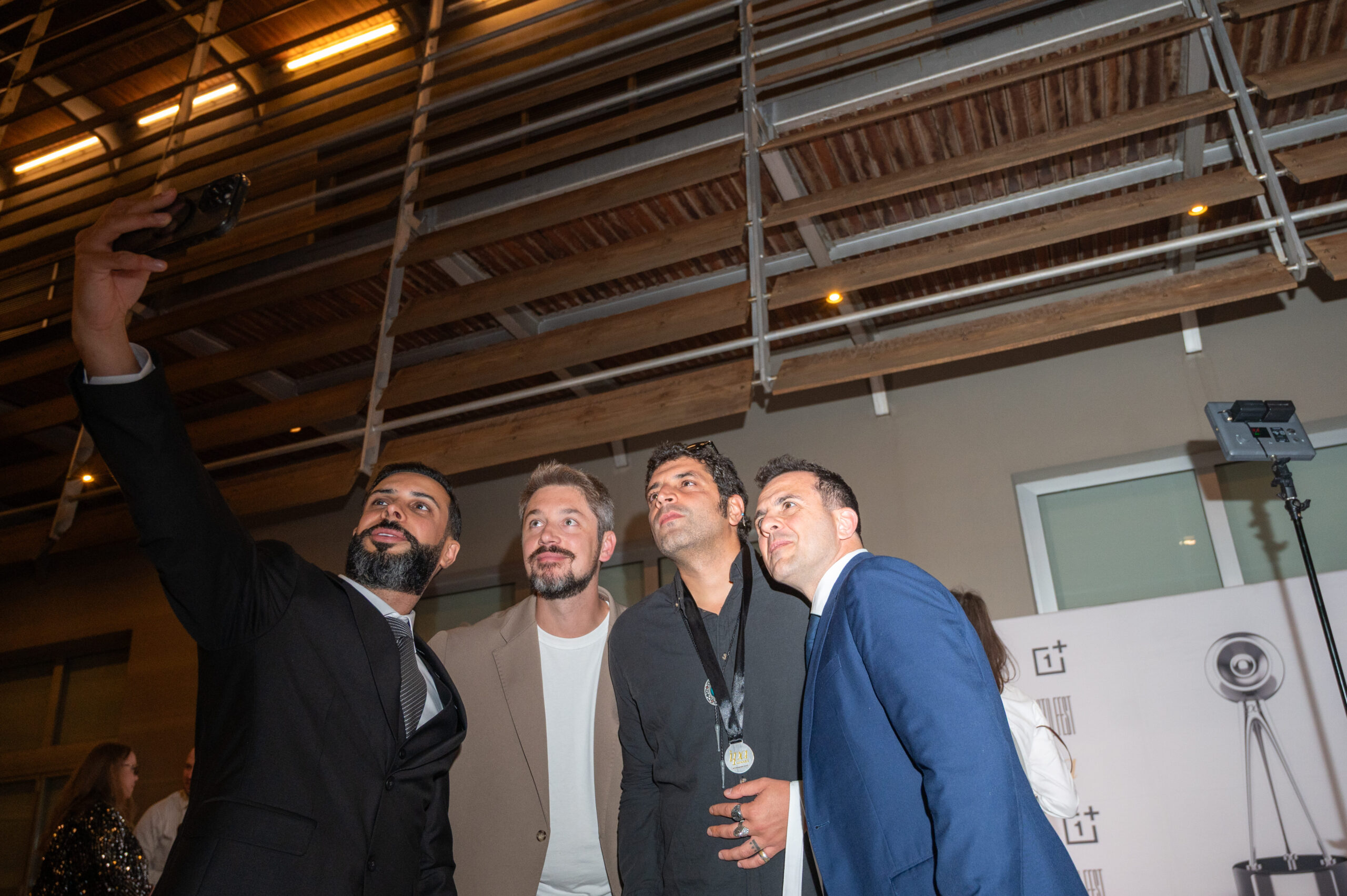
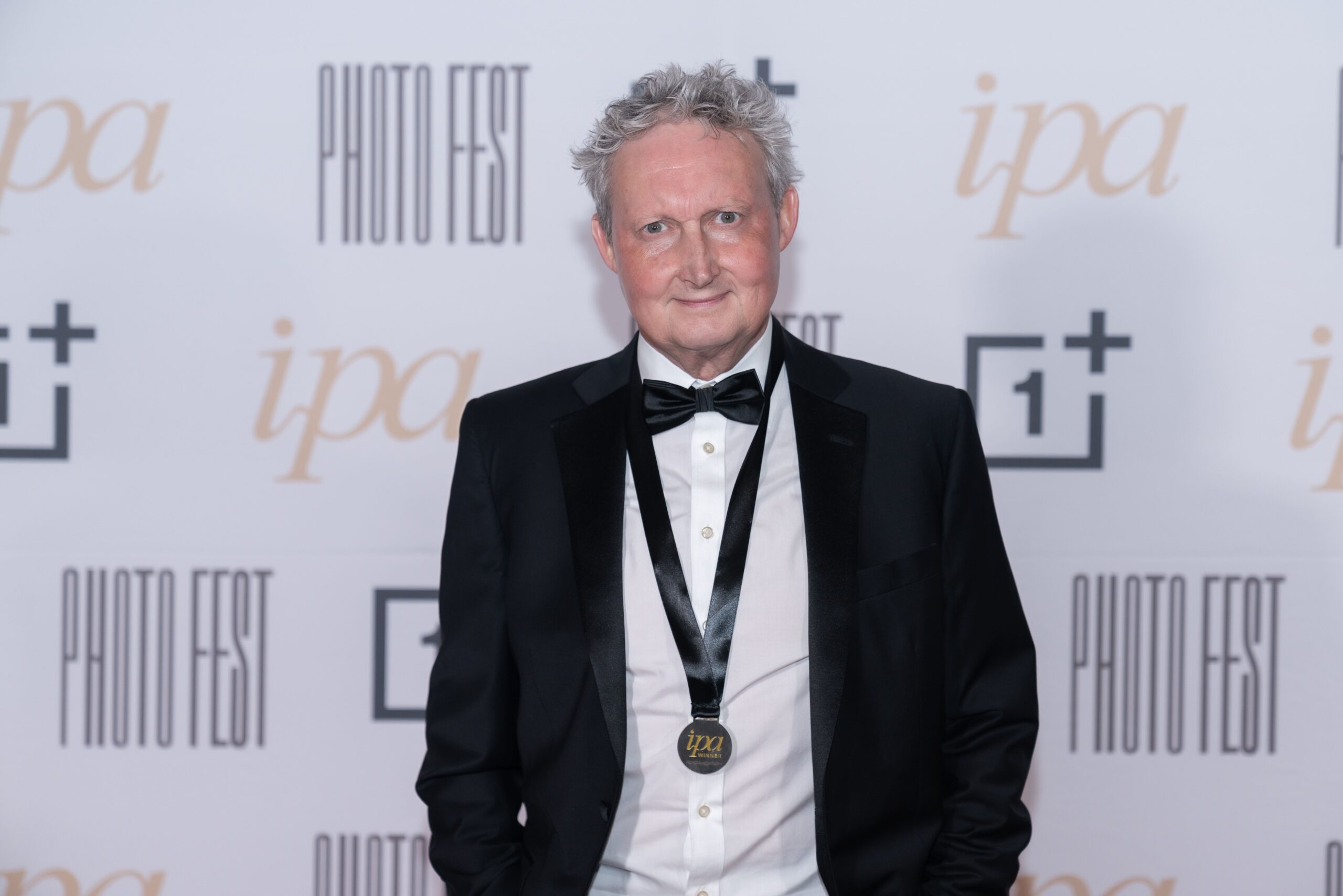
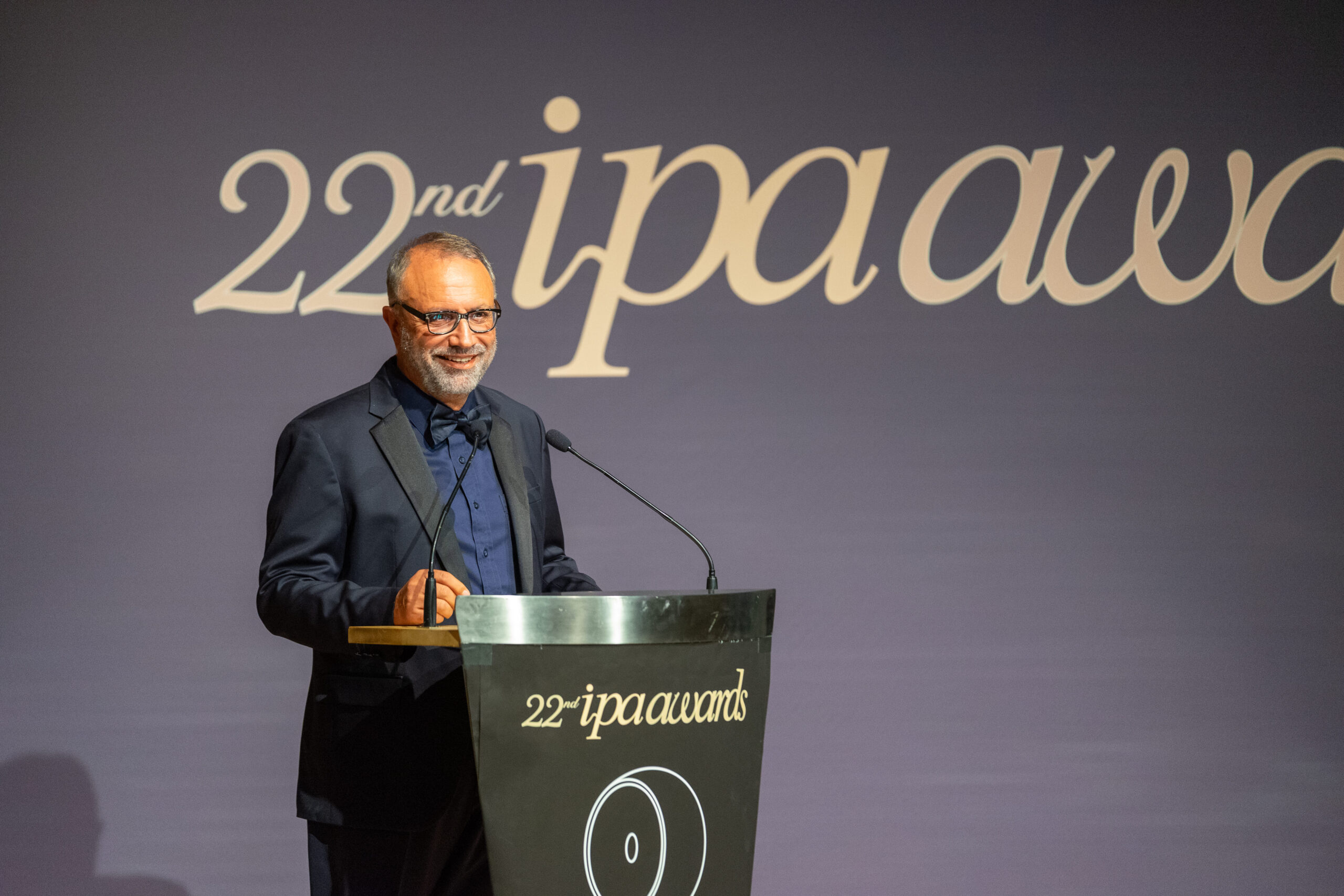
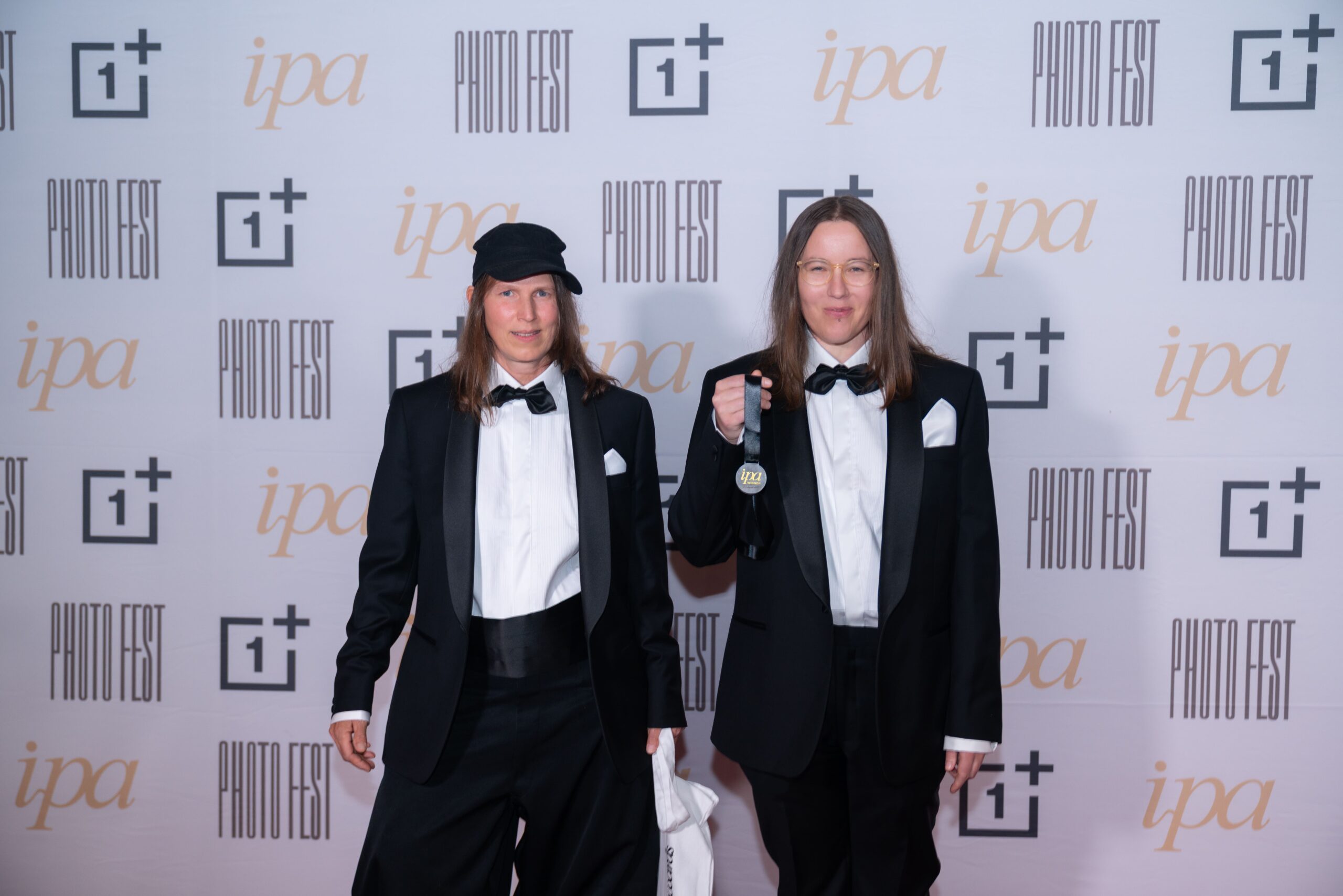
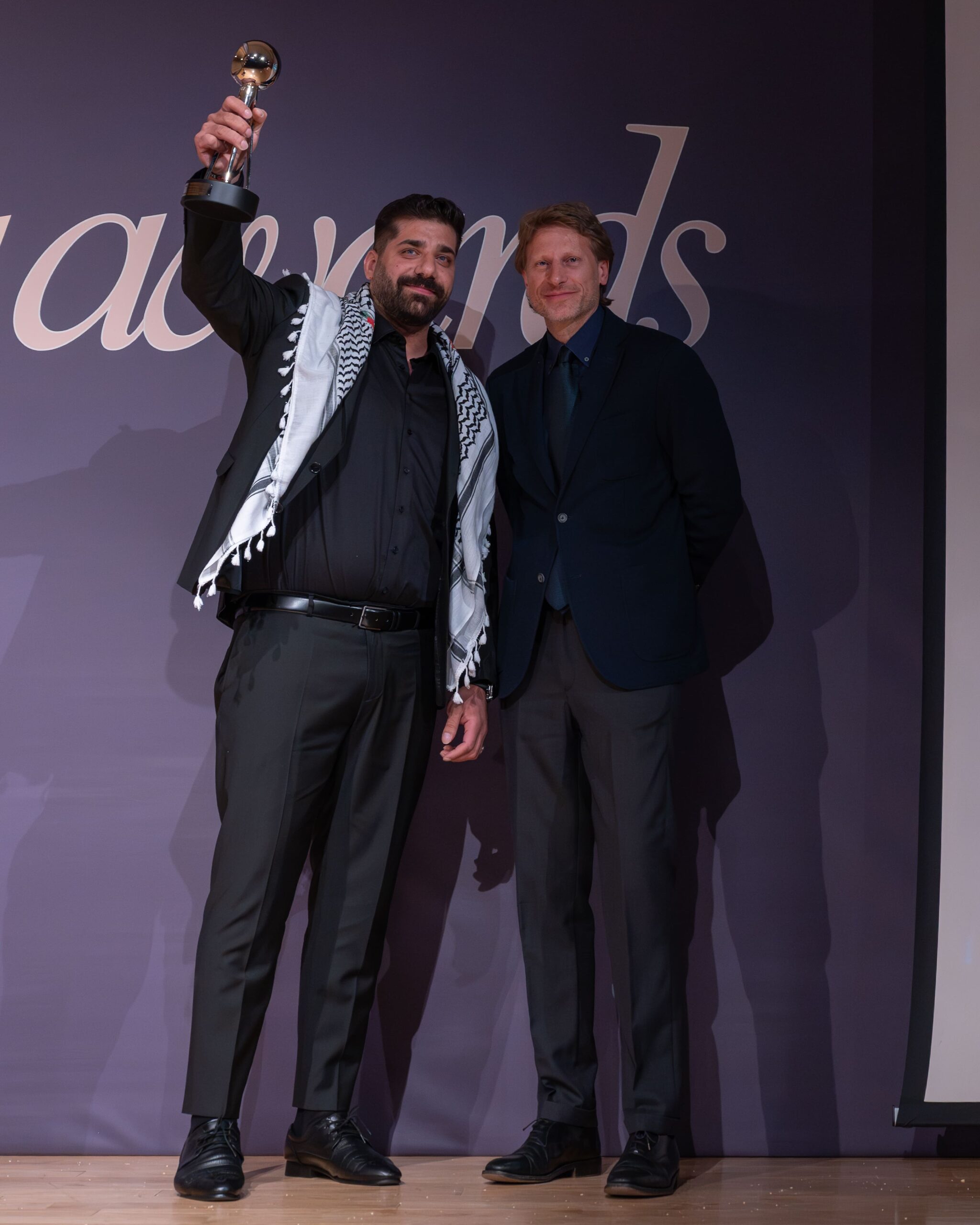

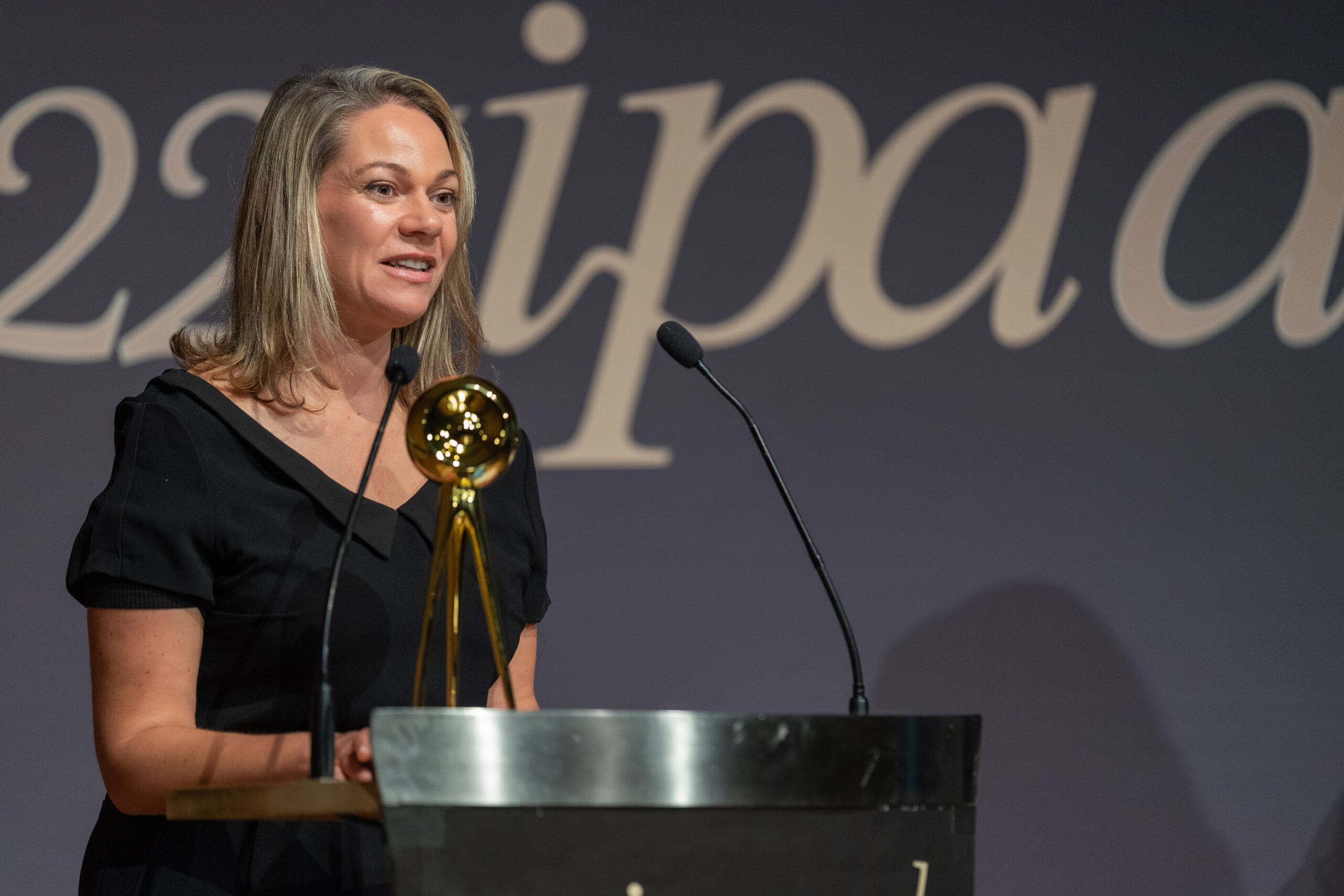
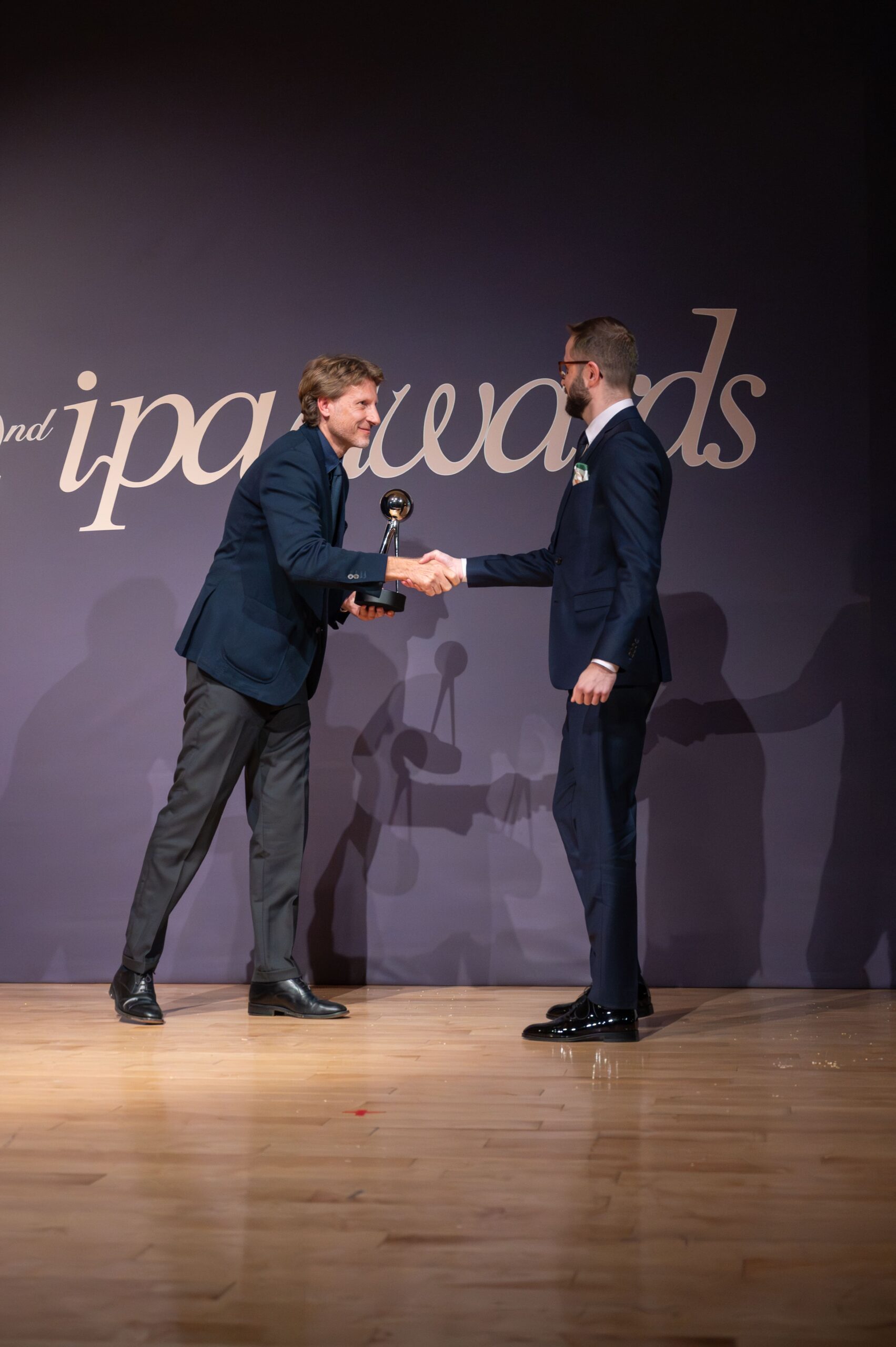
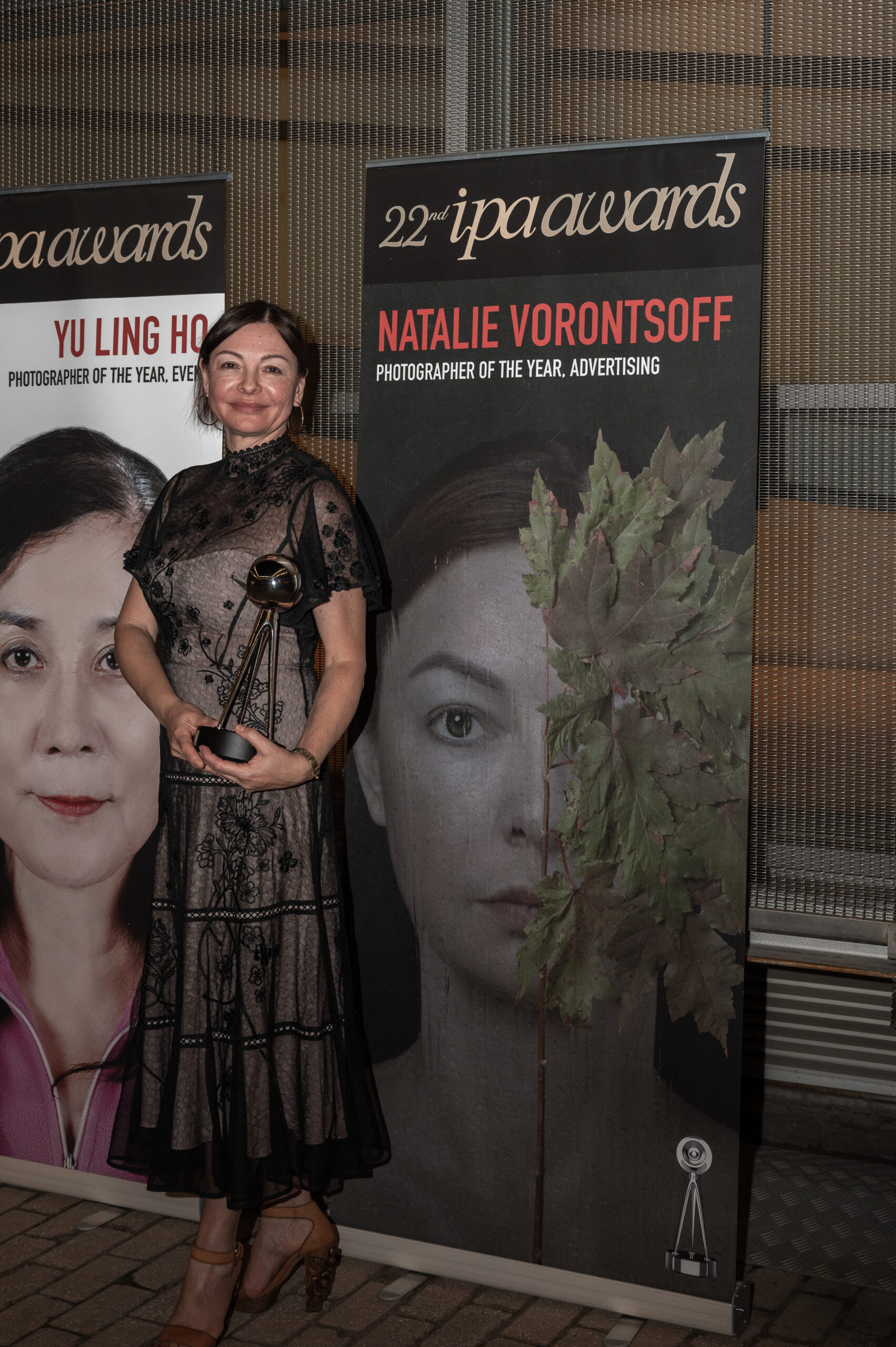
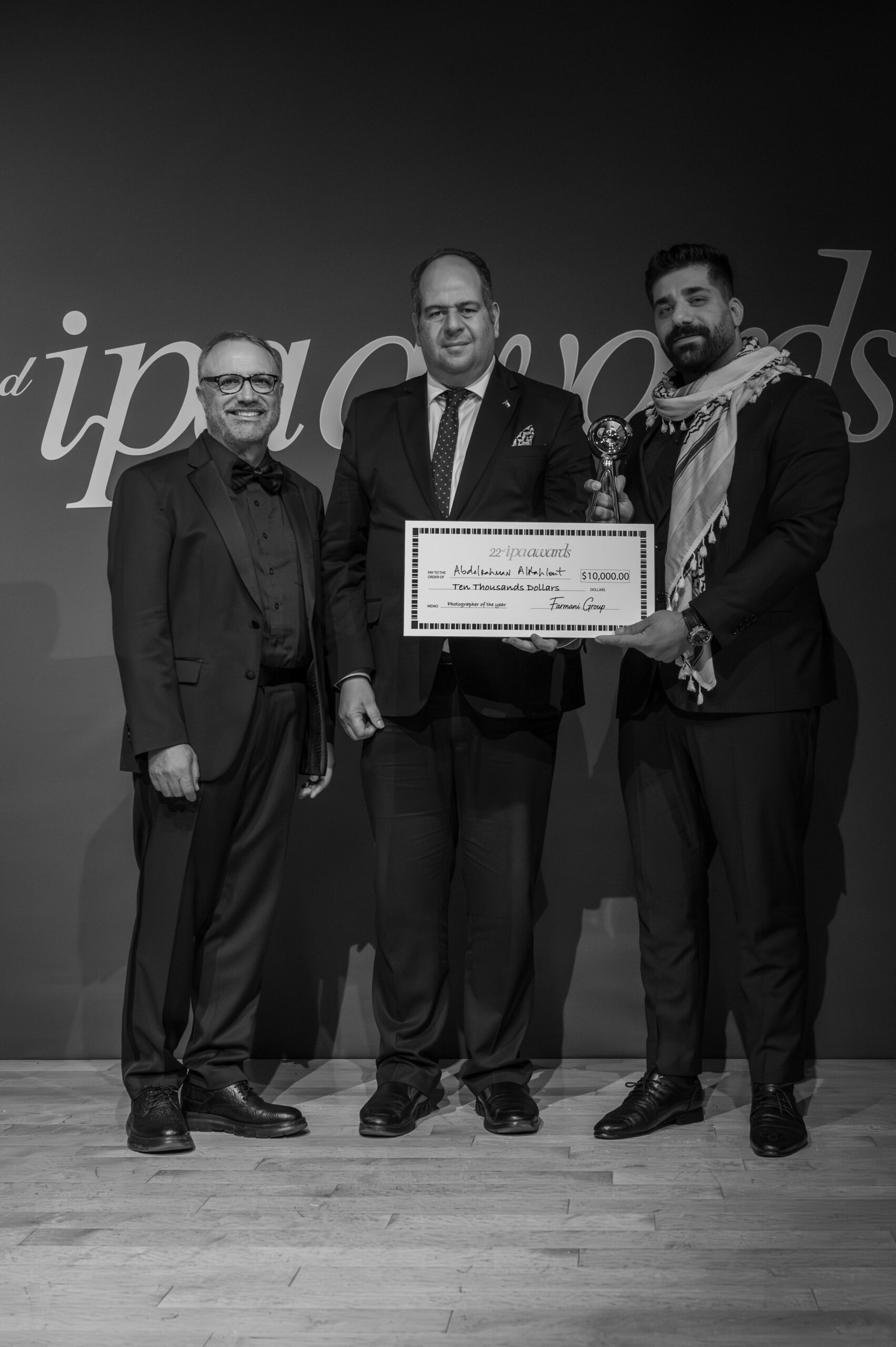
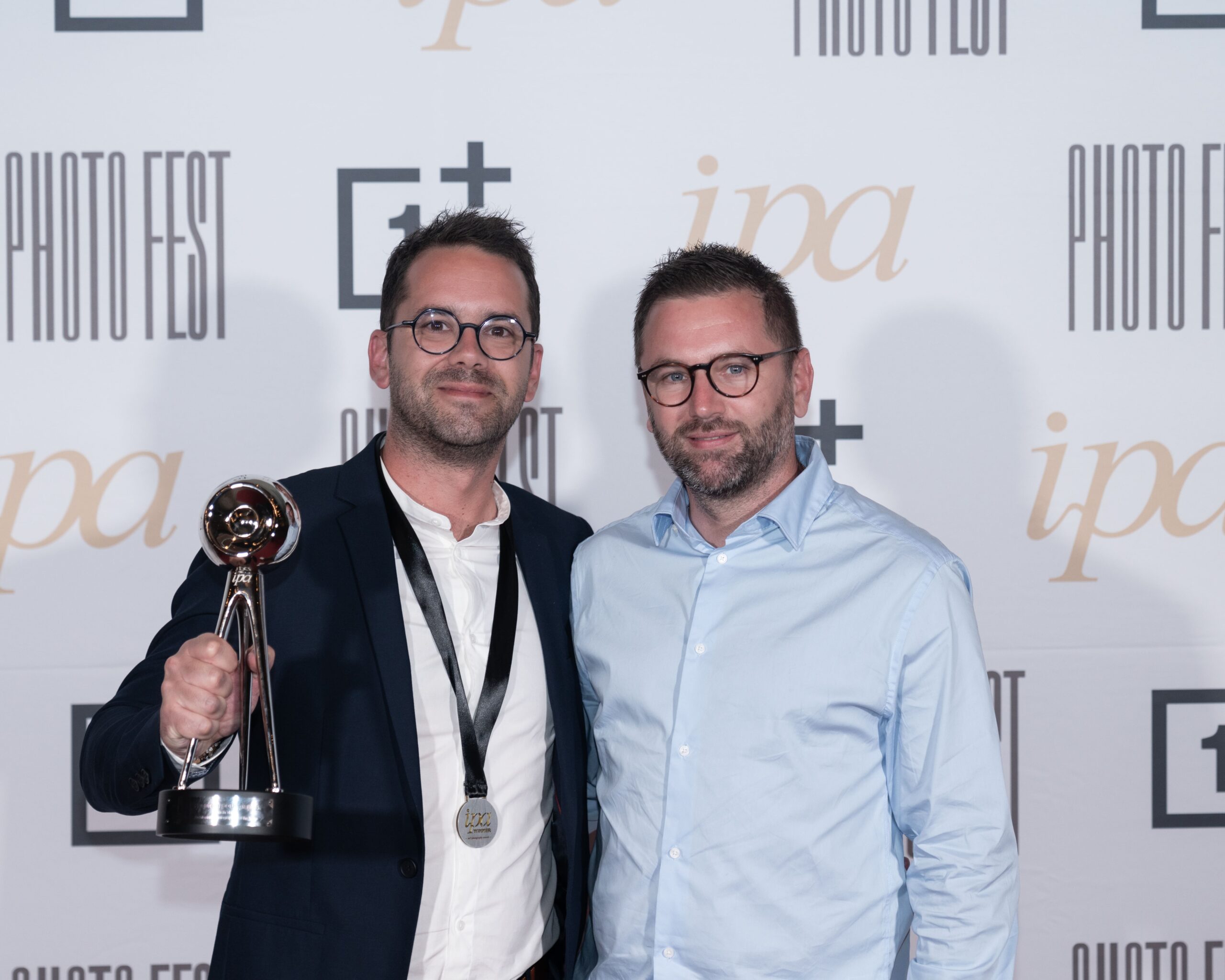
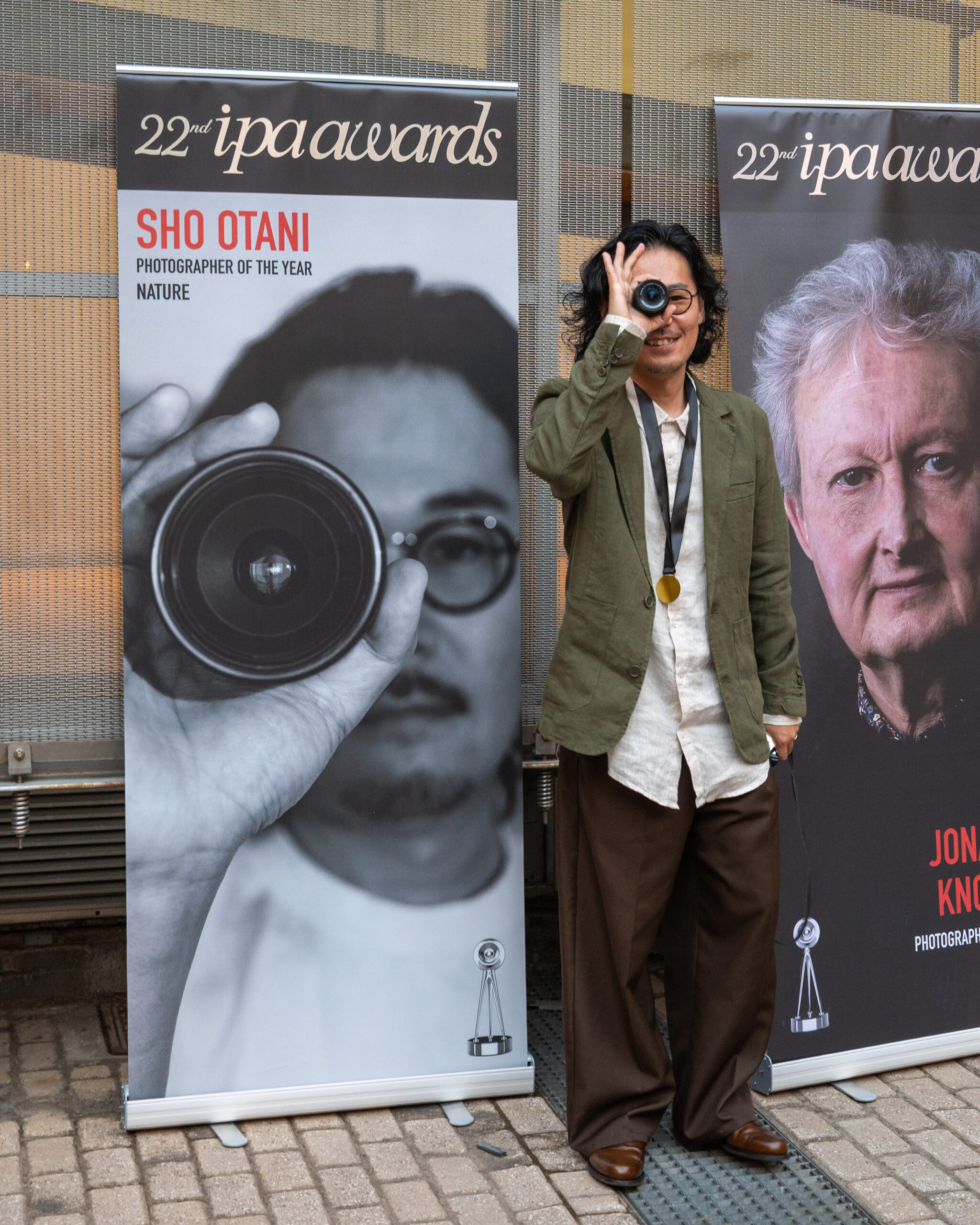
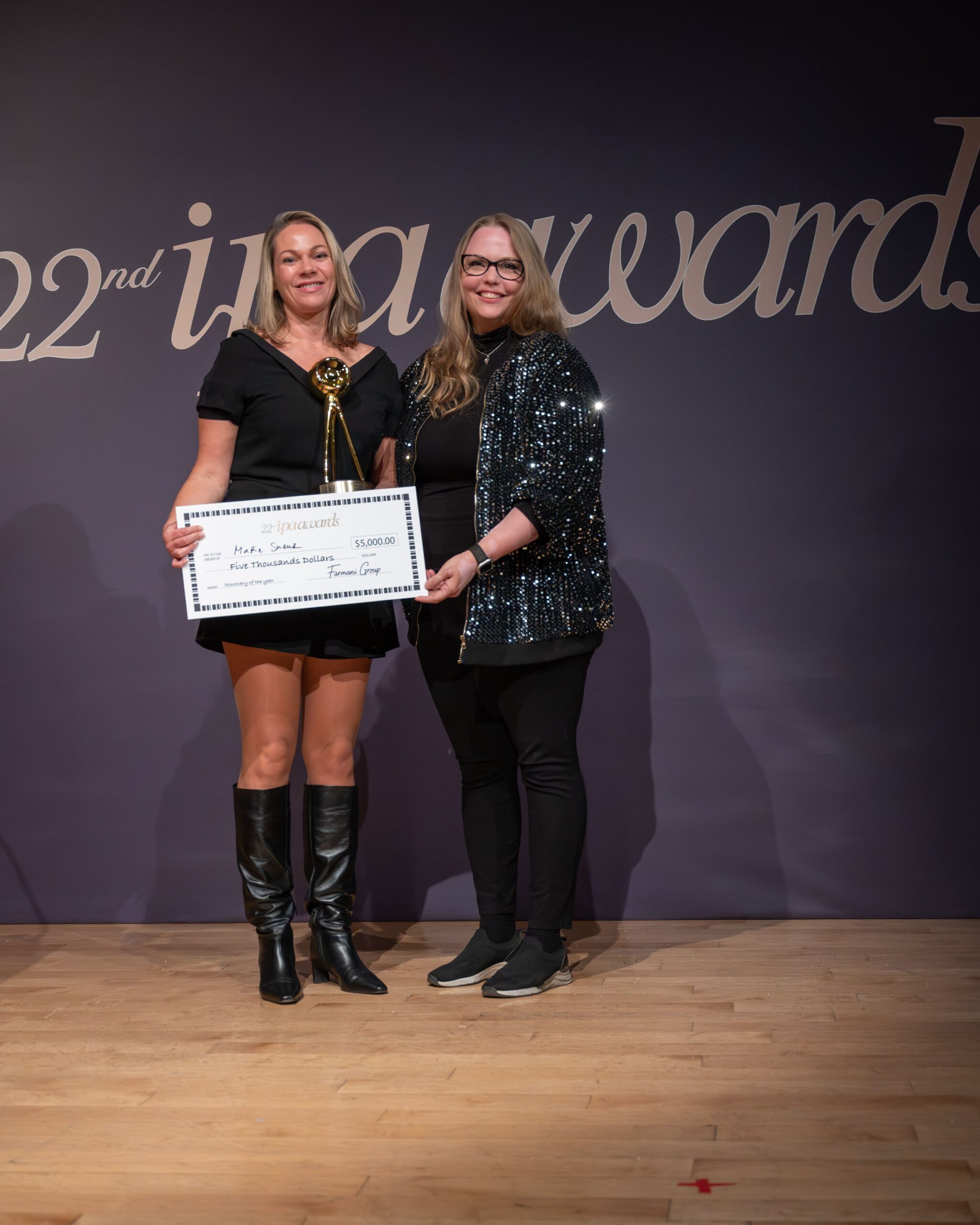
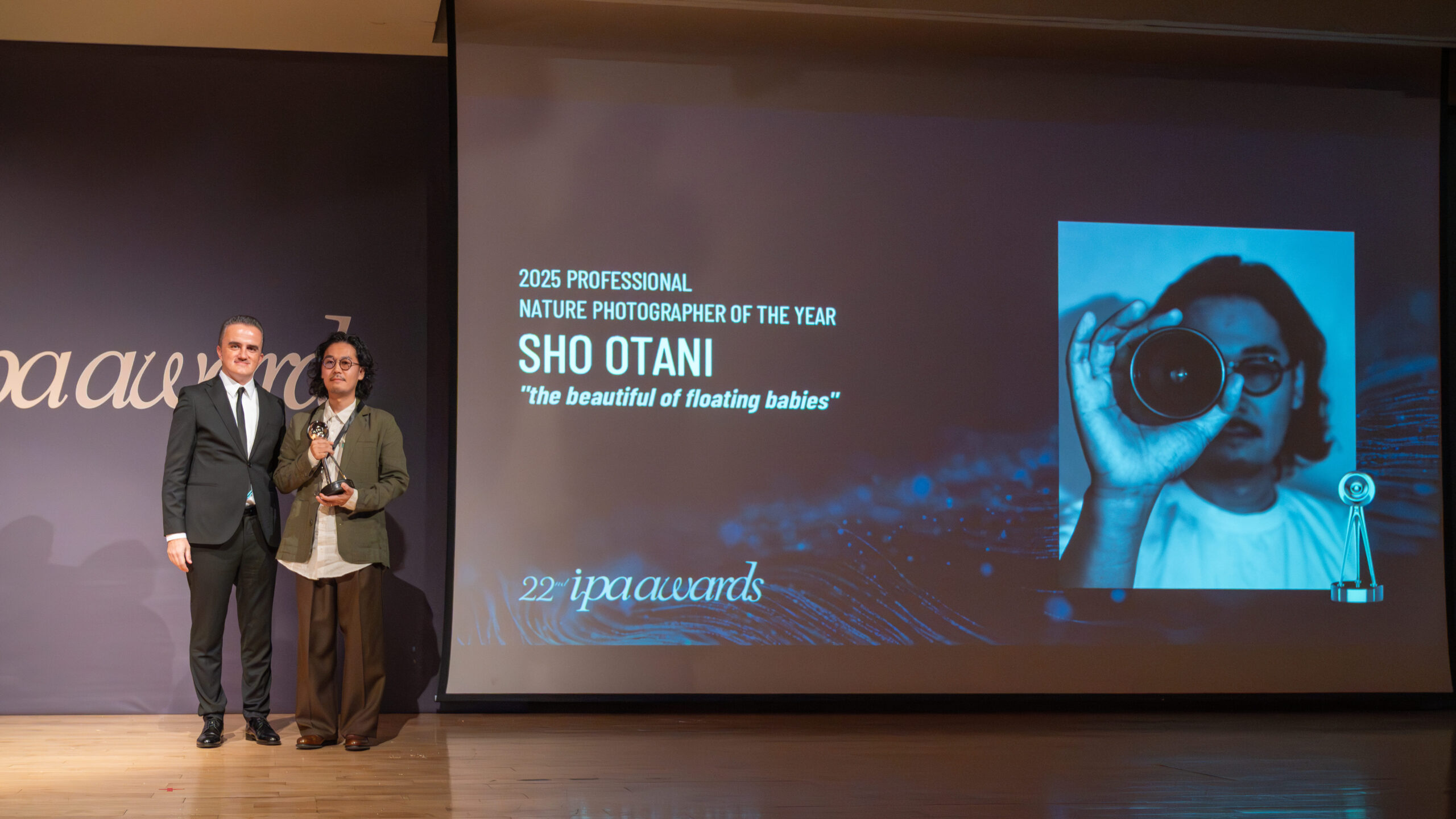
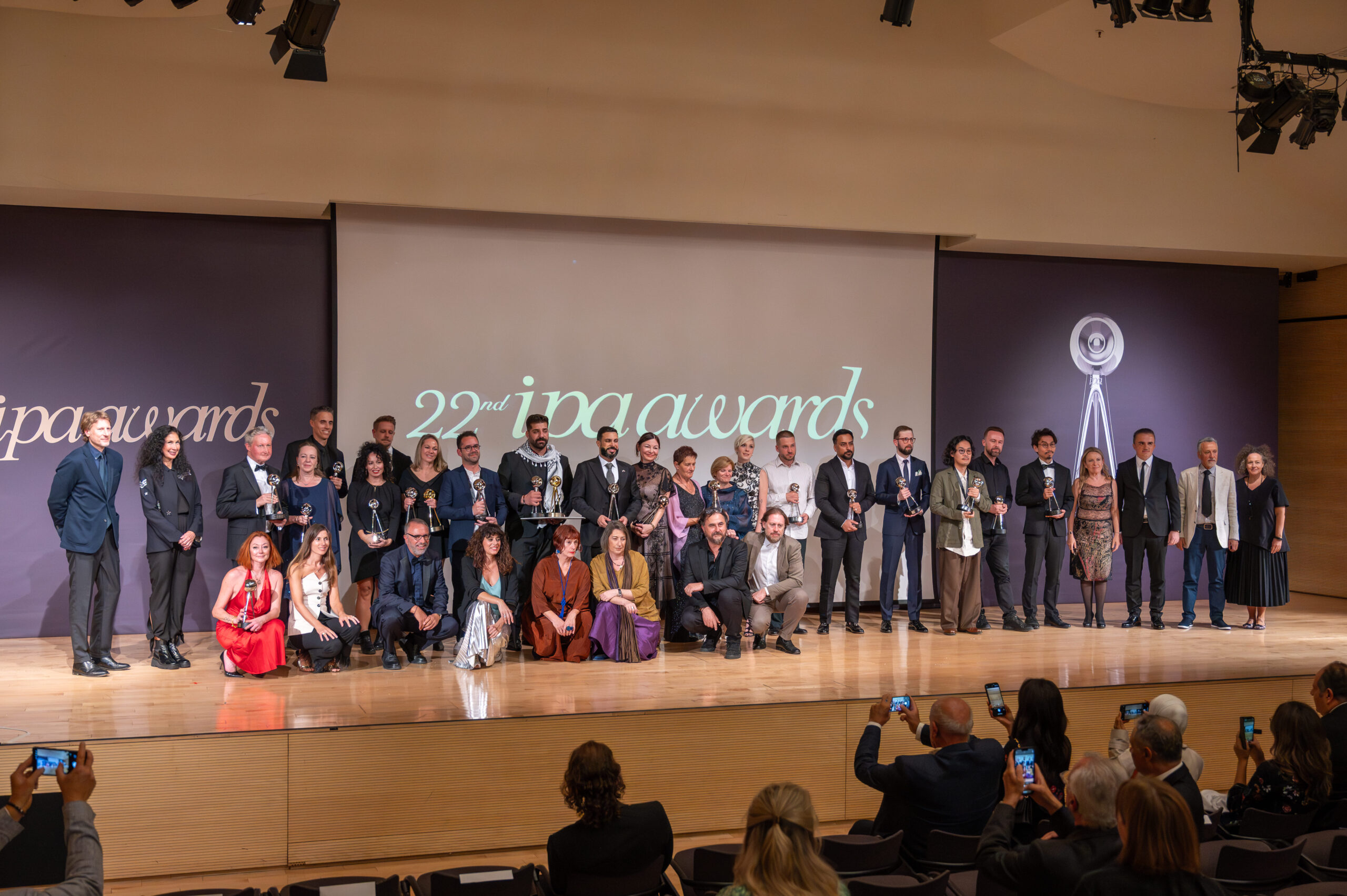
“As we gathered in Athens to celebrate the incredible talent of photographers from around the globe, I was reminded of why this medium continues to matter so deeply,” said Hannah Lillethun, Program Director of the IPA. “Both Abdelrahman and Marie create images that transcend documentation — they move us, challenge us, and remind us of our shared humanity.”
The evening not only celebrated the achievements of this year’s winners but also reaffirmed the mission at the heart of the International Photography Awards: to champion photographers who illuminate the world through courage, creativity, and compassion.
Explore the complete gallery of 2025 IPA winners on the official website — a collection of images that reflect the boundless ways photography can reveal, question, and inspire.
I don’t think there was any one major trigger.
Each encounter with the floating babies, possessing unparalleled beauty and wonder, gripped my heart and drew me in. For just a brief moment, the astonishment of moving at eye level with these newborn, minuscule beings and sharing time with them. That astonishment, that experience itself, became the driving force propelling me into the sea.
The act of capturing the fleeting brilliance of those incredibly small lives became pure bliss for me.
Q: Many of these beings are only millimeters long, translucent, and constantly moving. What were the biggest technical challenges in capturing them so clearly and beautifully?
The most challenging aspect of this photography style is that without high-level proficiency in both diving and photography techniques, we simply cannot capture decent photos.
While some sea babies drift passively with the current and others swim under their own power, we must maintain the same position as them at every depth and continuously synchronize our movements with theirs.
Additionally, we must constantly frame these tiny creatures using a macro lens, which demands millimeter-precise movements.
Moreover, if we lose them from the frame even once, letting them drift out of our light’s range, the chances of finding them again are extremely slim. we can easily lose a once-in-a-lifetime encounter.
It’s likely that the scarcity of divers attempting this genre stems from these numerous technical challenges.
Q: You describe photographing them at night, where they appear like stardust in the ocean. How does working in these conditions influence both your technique and your artistic vision?
The night sea is enveloped in perfect darkness and silence.
Without the light from a flashlight, pitch blackness spreads before me, and I hear only my own breathing.
But once you turn on the light, countless lives spread out before me, reflecting the light and shining brightly.This scene is truly the universe itself. Especially underwater, where gravity feels absent, I can sometimes forget I am even on Earth.
This situation—being both in space and on Earth, both solitary and part of a collective—imparts a sense of mystery to my photographs.
Technically, I use their tiny reflections as backgrounds, allowing them to function as elements that adorn the subjects, much like stardust scattered across the cosmos.
Q: The jury noted the graphic quality of your images, with creatures appearing almost abstract. Do you think of your work as more scientific documentation, artistic exploration, or a mix of both?
Artistic exploration is my way.
Of course, the academic aspect is also one of this world’s charms. Among them are many undiscovered creatures, and encountering them holds significant scientific value.
When I first started, I found equal appeal in both aspects and sought subjects based on their rarity. But as I continued, I began to question that mindset. I realized that my pursuit of unseen creatures was causing me to neglect those I had already encountered. I felt this filtering of subjects was diminishing my photography, making it dull and stifling.After recognizing this, I changed my approach and gradually began focusing more on the inherent beauty of floating Babies themselves.
Now, I no longer feel a special fascination simply because a creature is rare. I value observing the individuality of each creature I encounter, contemplating what I find beautiful in them, and striving to capture that beauty to the fullest. I believe this very act is what gives my photographs their value.
Q: By showing these delicate, rarely-seen forms of marine life, what impact do you hope your photography will have on viewers’ connection to the ocean and its conservation?
Of course, the main photo is no exception, but many of the composite photos this time feature subjects I found right on the beach near my home.
I want people who see my photos to understand that such beautiful creatures are breathing life right beside us. By doing so, I hope people who previously had no interest will connect with the ocean and nature, and develop a curiosity about them.
I consider this my small way of giving back to the ocean and nature.
]]>To be honest, we often spend time in Pashin — a village near Nowy Sącz, where my partner Kasia’s parents live. Every visit confronts me with a very particular world — the atmosphere of contemporary rural Poland. This world is not foreign to me; on the contrary, it draws me in and makes me want to look closer. In conversations with Kasia, we came to the conclusion that this environment holds enormous potential for artistic exploration, especially within documentary photography. It allows me to step into the role of a researcher armed with a camera, documenting the everyday manifestations and unique aspects of this microcosm.
At the same time, this world resonates with me on a cultural level: despite the difficult history, Polish and Ukrainian mentalities have much in common. I am convinced that in any art form, authenticity is the most essential element. Projects that we truly live through, that awaken compassion and empathy, possess a special power. They are self-sufficient, impossible to confuse with artificial constructs or “pseudo-reflections.” If an artist is not genuinely engaged with their subject, the work lacks depth.
Coming back to Misplaced Childhood: this is the first project that Kasia (Katarzyna Bochenek) and I began to develop together, exploring the micro-world of the Sądecki region and the village of Pashin. What first struck me was the unusual sight of children freely riding motorcycles around the village. The very first image, Young Rider, was made in 2022, when I photographed Kasia’s nephew Kuba on his cross bike. Later, the series expanded, and one of the key images became a group portrait of Kasia’s younger son, Jędrzej, together with his two cousins, Kuba and Max. This was the beginning of the project’s narrative.
In the countryside, children are drawn into adult life much earlier: they help parents with daily responsibilities, they take on duties. Their childhood is very different from the “protected” version that many urban parents try to create for their kids by shielding them from obligations. But early maturity almost always comes with a loss of carefree innocence. Even while still children, their space of responsibility expands.
This theme is deeply personal to me. I grew up in the 1990s with my brother Viktor — a very difficult time for the countries of the former Soviet Union. In many ways, we were raised by the street: our parents, despite their cultural heritage, were focused on survival, and they didn’t always have the strength to be present. This forced maturity, this premature adulthood shaped by harsh economic realities, is a painful but familiar experience to me. And it is precisely this that lies at the core of Misplaced Childhood.
Q: As you developed the distinct visual language for this series, which documentary photographers or filmmakers influenced your perspective?
If you perceive a distinct visual language in this series, for me that already feels like a form of recognition. I draw an important distinction between style and artistic language. Style is often about form and its limitations, while language speaks to content — and form becomes an expression of that content. I would like to believe that I am gradually moving closer to my own artistic language.
I cannot say that I am deeply familiar with the tradition of documentary photographers, and my perception does not directly stem from them. A powerful impression on me came from Jeff Wall’s exhibition at the PinchukArtCentre in Kyiv in 2012. His work can hardly be classified as purely documentary photography, but it was revelatory to me. The states of the people in his images I would describe as raw — stripped of superficial emotions yet filled with a profound inner depth.
In cinema, the work of Andrei Tarkovsky holds a special place in my perception. His films are imbued with an existential, even transcendent quality, and this resonates very strongly with my worldview.
When I look at my own portraits, I increasingly notice that the central composition and the way I aim to reveal the human presence often stem, on a subconscious level, from my admiration for icon painting. The works of Theophanes the Greek and Andrei Rublev inspire me not only aesthetically but also through their theology — the concept of the icon as a window into another reality.
Q: What motivated the decision to use analog black-and-white film to express the project’s themes of timelessness and emotional authenticity? Was this aesthetic direction part of your initial vision?
In general, black-and-white film photography holds a very special place in my practice. To put it the other way around — I mostly use digital cameras for commercial projects, but very rarely for artistic ones. The commercial market demands speed and efficiency: digital photography allows us to multiply images endlessly, reducing the risk of technical error and lowering the responsibility for each single frame. It is convenient, flexible, fast — but often at the cost of diminishing the very value of the photograph itself.
Film, on the other hand, requires a completely different approach: thoughtfulness, focus, deliberation. This is especially true with large format, where the number of frames is limited, exposure has to be calculated carefully, and focus is often achieved manually. There is little room for mistakes — but in return you gain what I call material authenticity: the physical existence of the negative as an object.
With Misplaced Childhood, this was not an aesthetic decision made specifically for the project. All of my significant work I create on film, most often in black and white. For this, I am particularly grateful to my teacher, Ata Ovezgeldyyev, who years ago helped me find direction in my practice: portraiture, black-and-white, film.
Beyond that, film itself carries what I call emotional authenticity. The grain, the texture, the physicality of negatives and prints — they add another layer of reality to the image. I am convinced that without film, this series would not have the strength or the honesty I am striving for.
Q: Can you describe your process for connecting with the children and their families in these communities? How did you approach making them comfortable in front of the camera to capture such natural and revealing moments?
I never had to artificially build relationships with these families and their children. They are all, in one way or another, relatives of my partner Kasia — some closer, some more distant. By creating our own family together, I naturally became part of hers, just as she became part of mine. So the process of getting to know them and developing friendships happened organically, and at some point it felt completely natural to bring photography into this space. I began photographing them — and they, in turn, gladly became participants in my projects.
As for why they seem so comfortable, natural, and unguarded in front of the camera — perhaps it is precisely because I never tried to force it. I didn’t set myself the goal of making them “open up”; I simply observed and photographed.
Over time, I noticed a certain pattern: when a photographer is demanding first and foremost of themselves, the people in front of the camera immediately feel it. They begin to behave differently — with greater attentiveness, awareness, and seriousness. Children, in particular, are especially sensitive to atmosphere and emotional tone. For them, these photo sessions become not just a game or an episode, but a meaningful experience.
Q: Winning the title of Non-professional Analog / Film Photographer of the Year is a significant achievement. What does this recognition represent for you?
First and foremost — it is gratitude. Gratitude to my parents, Iryna and Volodymyr Lemzyakov, to my life partner and the mother of our daughter, Katarzyna Bochenek, to my life mentor Ata Ovezgeldyyev, to my teacher in photography Maciej Plewiński, to my “second parents” Sergii Malyarov and Maryna Kolyada, and to all my family and loved ones who believe in me and support me on this journey.
Secondly, it is confirmation that persistence and determination do bear fruit. It is important to follow one’s own path and never stop. Achievements like this become milestones — something to lean on and move forward from.
And finally, it is a source of inspiration for the steps ahead. I believe that our failures shape us, but it is our successes that give us wings and inspire hope.
Q: Based on your journey creating “Misplaced Childhood,” what guidance would you offer on approaching sensitive subjects with respect and building a narrative that is truthful and empowering rather than intrusive?
The question itself already contains much of the answer: it includes the words “with respect” and “narrative that is truthful.” Respect — for yourself, for what you do, for others, and for the world at large — is the foundation. Honest storytelling in photography is only possible when a person is first honest with themselves. This applies not only to art but to every form of human expression.
I believe that etiquette can be taught, but true culture is carried by people with a particular way of perceiving the world. Each of us has our own sensitivity, and while we may be inspired by others, we cannot become them. This is less about skill and more about perception.
I am convinced that relationships are always reciprocal: the way people treat us reflects the way we treat them. That is why, when I photograph, I try to remain true to myself — and then the person in front of the camera also remains true to themselves.
To sum it up: if you don’t want your project to feel intrusive, don’t be intrusive.
]]>I began my musical training at the age of five in a music school. Until I was eighteen, I studied piano with passion and determination. It has always been an integral part of my life. I was fortunate to always have a piano by my side. Although I am not a professional pianist, I remain a devoted lover of this instrument, nourished by a deep passion that now translates into my artistic work.
When I discovered my first abandoned piano more than ten years ago, I was profoundly moved by the contrast it represented: an instrument that, everywhere else, embodies life, creativity, and emotion, here reduced to silence and oblivion in the heart of decaying buildings. Yet these pianos still seemed inhabited, carrying an invisible memory, as if waiting to be played and heard again.
What has kept me engaged in this quest for so many years is precisely this duality: the beauty of music and culture fading into silence, and the resilience of the piano, persisting despite the passage of time. Each piano I discover is unique, tied to a specific place and history, yet together they compose a narrative about memory, the passage of time, and the fragility of human creation.
For more than a decade, I have discovered over a hundred forgotten pianos. This journey has led me across many European countries as well as the United States and Japan. My photographic series is constantly evolving, and I am already planning many future journeys, each requiring meticulous research beforehand.
Q: As both a photographer and a pianist, how does your musical background influence the way you see and capture these instruments in forgotten spaces?
As a photographer but also as an amateur pianist, my perspective on these abandoned instruments is profoundly shaped by my musical background. For me, the piano is not just a simple object. When I enter an abandoned place and discover a piano, I don’t see it merely as part of the décor, I immediately feel the echo of the music that may once have resonated there, and the stories it still has to tell.
This musical sensitivity, along with the patience one must develop to play an instrument, influences the way I frame and compose my images. I try to capture not only the aesthetics of the place, but also its atmosphere, without any artificial lighting or staging. My aim is that, in each photograph, the viewer can feel both the beauty and the power of these forgotten places and pianos.
Q: The series is described as both factual and poetic — balancing documentation with atmosphere. How do you decide when to let the piano speak for itself versus when to guide the narrative more artistically?
For me, there is no choice between “letting the piano speak” or “guiding the narrative”: it is the places themselves that set the balance. I never stage my images, I photograph each piano exactly as I find it, in its original environment.
I spend a great deal of time on site, waiting for the right light, the precise moment when the place and the piano enter into symbiosis. It is this patience and observation that bring poetry to the image. I don’t try to create it artificially, but to reveal it. My role is simply to capture the instant when its story and atmosphere become visible.
Q: Of all the places you have been – which location was the one that made the biggest impression on you?
Among all the places I have explored, the one that left the deepest impression on me is without a doubt the very first piano I discovered in the south of France. That encounter profoundly changed my perspective and gave birth to my entire artistic journey.
Returning from a long photographic trip to Asia, my mother who, at the time, was working on a project about the ruins of our native region, suggested that I join her in exploring an abandoned house. Curious, I accepted, without realizing that this adventure would transform my life. After climbing steep stairs, we reached the house, its front door wide open. Everything seemed empty and decayed, until the moment when, pushing open a door swollen with humidity, I suddenly found myself face to face with a piano.
I could hardly believe my eyes. My instrument, the one that had been with me since childhood, was there, abandoned, left to silence and the wear of time. The emotion was overwhelming. How could anyone leave a piano behind? I was stunned, and yet at the same time it felt strangely obvious. It was at that very moment that the idea of creating a project dedicated to abandoned pianos was born. I had finally found a way to unite my two deepest passions, music and photography, into a single body of work, which I named Requiem pour Pianos. This discovery will always remain the one that left the strongest impression on me.
Q: Abandoned places often carry layers of history, silence, and decay. What is your process when you first enter a space and encounter a piano for the first time?
Over time, a ritual has naturally taken shape. I mostly travel in winter, drawn to the softness of the light that soothes and enters into dialogue with the instrument. When I encounter a forgotten piano, I never photograph it immediately : I take the time to absorb the place, to wait for the right light, the one that will reveal the symbiosis between the space and the instrument. Working with natural light is essential to me.
I also collect the traces left by each piano, such as their serial numbers, which I share with the association Musique & Spoliation in order to contribute to the memory of instruments that were looted. And whenever possible, I make the keyboards resonate one last time, recording their sounds note by note. A way for me to immortalize the soul of each instrument I discover.
]]>The book Brazil: Fragile Balances is not about marginalised situations or particularly marginalised families. On the contrary, the idea behind the project was to recount the daily lives of a multitude of perfectly normal people. We worked in two small towns – Tapera Dos Vital, in northern Brazil, and Joqui Nabuco – where 98% of the population lives as shown in the photographs. We did not go to the favelas of the big cities or to extreme contexts: we wanted to show the rule, not the exception. There was no selection process: we met the families who welcomed us with open arms. Some were large, others consisted of only two or three people. Ten families hosted the ten photographers, each for about a week. In some cases, we even bought a mattress because the houses were very modest and there was no space. This was the heart of the project: living and documenting everyday life.
The project captures resilience and hope through intimate expressions. What approach did you use to establish trust and create such strong bonds with your subjects?
The connection with the families was made possible thanks to Modena Terzo Mondo, a voluntary association that has been operating in Brazil for over 30 years. They acted as intermediaries, explaining the meaning of the project to the families. This meant that the photographers were welcomed with trust and naturalness: a stranger would never have been able to “sit on the sofa” or live in such modest homes. Instead, with the association’s guarantee, we were accepted as guests, able to share their daily lives for 7–10 days. Without this support, the level of intimacy and authenticity achieved would have been impossible.
As a collective of photographers (Multiple Authors), how did you collaborate creatively to ensure a unified voice and vision throughout the book?
There were ten photographers, but it wasn’t difficult to achieve a unified vision: they were all students of the Perbellini course, trained in the same way for a year and a half. This made a consistent approach and vision come naturally. The most complex part came during the editing phase: together with Manila Camarini (photo editor at D La Repubblica) and Giuseppe Andretta (post-producer), we found ourselves faced with a huge amount of valid material. The real challenge was having the courage to discard many excellent images in order to achieve a strong editorial synthesis. Our goal is not only to produce beautiful photographs, but to develop a complete photographic mindset: to build a language, a coherent project. That’s why the book was the natural destination for the work.
Photobooks create a tangible and lasting presence. Why was the book format important for this project, and how do you hope readers will interact with it differently than they would with an exhibition or digital viewing?
Books are fundamental to us, so much so that every year at our Academy we work with students on a photography project that will result in a book. A book is not as ephemeral as social media, it does not chase likes: it is a container with a narrative path that takes the reader from point A to point Z via B, C, D… Personally, I prefer books to exhibitions: a book arrives at your home, stays there, and can be leafed through in silence, calmly, in an intimate setting. This concentration, this direct relationship between reader and photographs, is unparalleled. An exhibition is often experienced in a hurry, amid fatigue or distractions. A book, on the other hand, becomes part of the daily life of its owner, creating a personal and lasting bond.
Your work highlights the role of marginalised voices in shaping a more just and inclusive future. What broader impact do you hope Fragile Equilibri will have on society?
I don’t believe that a photography book alone can have a particularly significant and incisive impact on society. As a great writer/philosopher once said: ‘Photography does not create morality, it can only reinforce what already exists.’ Susan Sontag What it can do, however, is something equally important: it can help viewers to question their everyday lives, to put their problems into perspective, to find points of reference in people who, despite difficult conditions, maintain their dignity and strength. In this sense, Fragile Equilibri can offer readers new models, new figures to admire, and thus make them stronger and more aware. We ourselves are committed to giving something tangible back to the families, but what really remains is the cultural and symbolic value contained in the book: something that lasts over time, that survives and continues to circulate. This is why the recognition received from the IPA – International Photography Awards was particularly important: it validated not only the photographic work, but also the philosophy and vision that guide us as a collective.
]]>From the very beginning, photography has been a very personal and intimate process for me. I choose photography quite by intuition, perhaps because it is a medium that brings you close to life and people. Over time, I’ve realized that I dedicated myself to photography because it communicates on intervals of time different from our senses. My work has become a meditation on memory, time, and emotions. Technically, I use a variety of photographic methods: analog photography, Polaroids, and sometimes even mobile photography and digital cameras. I believe that tools should adapt to the situation, not the other way around.
The series explores the tension between memory, narration, and experience. How do you decide what to capture — and what to leave “untold”?
I see photography as personal encounters with people and places I meet along the way. It has become my way of everyday life, a kind of projection of the inside out. Photography, in its documentary space, relies on sight but also speaks through the superior sense of touch. I’m interested in the experience during the photographic process and afterwards—embedded on the other shore—related to time and memory. My aim was to create a bridge between the act of storytelling and experience—to suspend time and bring back the certain aura I feel watching unedited materials. The book includes personal notes that serve as letters and context for important moments, an Ariadne’s thread through the labyrinth.
If you could embark on your dream project — with no constraints on time, resources, or location — what would it be?
In recent years, Iceland has become my second home—I now live between Reykjavík and Poland. Many photographs in ‘Solid Maze’ were taken there. I’ve captured natural formations that resemble human-like faces—remnants of snow shaped into portraits or waterfalls that appear like skulls and bones. If I were to dream, it would be to continue this deep, almost spiritual connection with landscapes that speak through time and form, perhaps expanding into even more immersive, large-scale installations or publications that merge text, image, and object in new ways.
The images carry a dreamlike, poetic quality. Do you see your work more as a visual diary, a philosophical exploration, or something in between?
This book is similar to a visual diary. The process of creating it was deeply personal, almost meditative. But it is also a philosophical exploration. I was deeply struck by Confucius’ words: ‘We have two lives. And the second begins when we realize we have only one.’ This book is about time—its absolute and continuous nature—but also about the dimensions of time: how we perceive its ‘width’ and ‘height,’ not just its ‘length.’ It is also a book about love—the kind that exists regardless of circumstances or presence.
Looking back on this long-term body of work, what do you feel it reveals about the passage of time — both personally and universally?
Time felt to me like a place, a house in constant renovation and expansion. Both time and memory seemed vivid, like new rooms that opened or were discovered. They had delicate structures and became my personal maze. This book divides my artistic journey into what came before and what will come after. It marks a turning point where the limitless perspective of youth gives way to the realization that what has happened may be the only story. Universally, it speaks to how photography can communicate across time—how emotion and memory persist beyond the moment.
]]>When I was in high school, I took pictures at a relative’s wedding with an instant camera, but they turned out so poorly that I couldn’t show them to anyone. That frustration made me want to understand how to take better photographs — and that became the starting point of my journey.
I wasn’t originally interested in motorsports. My path began when I started photographing whooper swans, which led me to discover the technique of panning. By chance I found a panning workshop online and decided to join. There I encountered the speed, intensity, and roar of racing bikes for the first time, and I was completely captivated. That was the moment it all began.
Q: You mention creating this image in the spirit of Suisei Nagashi — a technique expressing motion, tension, and beauty. How did you adapt this philosophy technically?
Panning is usually about freezing the subject while letting the background flow, but Suisei Nagashi allows me to paint motion itself. By rendering the subject, the background, and the light all as trails, a beauty beyond reality emerges.
At the end of a long exposure, I swing the lens through as if sweeping a giant brush across space. For me, this is not simply recording speed — it feels like drawing time itself.
Q: Can you walk us through the specific settings and compositional choices that allowed you to transform speed and light into this almost painterly image?
The settings were 1/4 second, f/9.0, 300mm, and ISO 200. Because such a slow shutter speed would easily lead to overexposure even when stopped down, I used an ND64 filter.
For composition, I placed the bike off-center to give enough space for the trails to extend. I also swung the lens wide so that even the curbs outside the frame would leave their traces. Using a monopod tends to make the trails too straight, so I shot handheld to introduce a natural sense of fluctuation.
Q: Winning Non-professional Sports Photographer of the Year with such an artistic take on action photography is remarkable. What does this recognition mean to you?
This award carries great meaning for me because it recognizes the idea that sports photography can also be art. There are contests where such a work might be dismissed, and I know that this kind of expression can be divisive. At times I have doubted myself and even lost confidence.
But receiving this award has become a driving force for me to continue pursuing the path of expressing motorsport not only as competition, but also as beauty.
Q: You say you hope the image speaks to viewers. What do you most want people to feel or remember when they look at “Piercing the Rainbow”?
What I would most like viewers to enjoy are the beautiful trails and colors that are unique to Suisei Nagashi.
The intensity captured in a quarter of a second, and the transience of that very same quarter of a second passing by — how one feels about it is entirely up to each viewer. If someone wonders, “How was this photographed?” I would be delighted by that as well. In fact, there have been people who, after seeing my work, tried applying this technique in their own snapshot photography.
In any case, if even a trace of this beauty remains in someone’s memory, then the image has fulfilled its purpose.
“Emotive Snapshots” is part of a much broader project I worked on from 2018 to 2025: Primo Amore (First Love). Within this larger theme, there are sub-themes dedicated to children, fishermen, swimmers, and water reflections — all expressed through staged photography.
“Emotive Snapshots” was born during the summer of 2023, when school is closed and the beach is mostly filled with kids. The beach becomes a place where lifelong friendships are forged, where days pass carefree, and memories are built that will shape one’s youth. I live in a town on the coast of Central Italy; for me, the sea is not just a natural element I grew up with — it’s also a feeling, just like summer is. Watching my daughter collect shells, whisper secrets to her friend while facing the sea, and spend most of her time in the water, I imagined them as sea creatures in their own fantastic world. In general, that’s how I see the reality around me — a blend of the real and the magical, a kind of augmented reality, where the extraordinary exists within everyday ordinariness. For me, the beach — like a city or a forest — is a starting point for staging fantastical narratives that reflect the transformation of a place through the people who inhabit it, as though it were an extension of ourselves. This sparks a reflection on time and a projection of my childhood memories onto my daughter and how they appear in my imagination. Most of the ordinary, everyday moments my daughter experiences become romanticized narratives of poetic visions. Everyone becomes part of a story with a plot open to the surreal.
Q: How did you develop your ability to see the extraordinary within these ordinary summer moments? Are there filmmakers or painters who influence your visual storytelling?
During my academic years (at the Academy of Fine Arts in Bologna), I had the opportunity to experiment with various techniques and develop a sense of planning and project-based work. This modus operandi has stayed with me — my photos rarely emerge as single shots; instead, they develop as a series and belong to a broader theme. My second degree allowed me to delve deeper into subjects related to literature, anthropology, and philosophy, and to specialize in Critic Art. At the time, I was working with site-specific sculptural installations. I gradually arrived at staged/fine-art/conceptual photography because I saw in the camera the potential to create a set where imaginary worlds, grounded in reality, could be brought to life.
I need people in my work — they are fantastical, colorful subjects that represent specific emotional and compositional situations. Above all, they create that attractive yet unsettling element capable of sparking questions in the viewer. Often, the people portrayed have their faces hidden because they represent all of us in a way — they carry emotional states and mental projections. We know very well that thoughts and emotions can’t be given sharp, defined outlines.
What influences my storytelling?
My visual language is the result of technical experimentation, years of research, academic study, and reading. I’m a curious person, so anything can attract my interest and become a source of inspiration. For example, I deeply admire the visionary style of the Italian filmmaker Paolo Sorrentino and the color palette and composition of Wes Anderson. I appreciate the books of Elena Ferrante and Alasdair Gray for their ability to depict a realism that is both raw and surreal. In photography, I love the work of Aida Muluneh, Paolo Ventura, and Erik Madigan Heck — their works are a blend of photography and painting, and I deeply appreciate the contaminations between genres. In Delfine Diallo, I’m drawn to the ongoing dialogue between self-portraiture and historical-cultural origins.
Q: You captured these moments with a smartphone, a tool of immediacy. How did this choice free you technically and creatively to focus on emotion and storytelling rather than technical complexity?
I simply did what I always do, even with my camera: I created a photographic series based on what my imagination was seeing in that moment. I added a touch of magical realism by choosing what to leave outside the frame. I included elements that are seemingly at odds with the subjects, in order to amplify an emotional narrative — at times alienating or nonsensical — to give shape to my poetic language. The only difference was that, at that moment, I only had my smartphone with me. But that didn’t stop me from carefully designing a series of “emotive snapshots”, which hold the same value as those taken with my Nikon D810.
Q: Winning Non-Professional Special Photographer of the Year is quite an honour. How does it encourage your future work?
It truly is a great honor, and I’m grateful to the jury for awarding me this recognition. I’ve been participating in the IPA Awards for years, consistently achieving good results, but it’s undeniable that putting myself out there — along with dedication, perseverance, and the ability to accept rejection — has been essential in getting to where I am today. Being recognized on a global level as a skilled and meaningful photographer means being seen by the entire photographic community. It means opening myself up to the gaze of enthusiasts and professionals in the field, and I hope this recognition paves the way for new collaborations with galleries, curators and brands.
Q: Your work proves powerful storytelling doesn’t require professional gear. What is your advice for photographers learning to see and capture these fleeting, emotional moments in their own lives?
Rather than giving advice, I can share what I do when I sense that there is potential in front of me to create an artistic image. I keep my focus on my visual/staged language and concentrate solely on how to transform an apparently ordinary moment into something extraordinary using whatever tool I have at hand. A smartphone is also a photographic tool — the one I used at the time was a Samsung A51, average quality, but it had a camera, and that was enough for me. For example, between 2024 and 2025, I created over twenty creative portraits that told the stories of underage boys who arrived in Italy alone, fleeing countries devastated by war and hunger, carrying broken pasts and facing the task of rebuilding new lives. Together, we transformed painful histories into a creative act — and we did it using nothing more than a smartphone, a tool typically used for instant communication.
I demonstrated that it’s absolutely possible to create a powerful, artistic, and emotional portrait using a smartphone. What truly matters is having something meaningful to say and the ability to transform that into an image.
]]>Yes, I wanted the images to appear almost decorative at first sight, filled with colors, textures, and patterns that could be mistaken for abstract art so this contrast was intentional. But the longer you look, the more reality sinks in when you realize these are mountains of garbage. This visual tension between beauty and horror mirrors the paradox of modern consumption: we disguise its consequences until they become impossible to ignore.
Q: As you cultivated your distinctive voice as a photographer, which influences or experiences played a significant role in shaping your perspective? How do you maintain authenticity amid changing trends?
As a kid I was always drawn to details, to patterns in everyday things so for me it wasn’t about copying anyone’s style it came more from childhood curiosity and persistence, and when I started using a drone, I suddenly saw those details on a different scale. Places I knew well looked completely new from above. That perspective changed everything. As for authenticity, I try not to think about what’s fashionable or in line with actual trends. If an image feels too polished or too safe, I usually step back. What matters is whether the subject still feels alive to me, whether it still stirs something. That’s the only way to keep your work authentic.
Q: What was your process for gaining access and ensuring your safety while working in these active landfills?
Research and preparation were essential. Many landfills are remote, without clear access roads, so I spent hours studying satellite maps, comparing them with local news or municipal data to figure out which sites were worth visiting. Sometimes the place looked completely different from what I had expected, which meant driving hundreds of kilometres for nothing. Some locations were massive and concentrated, others were too spread out to capture well. Safety was always at the back of my mind, so I have always kept a safe distance, launching the drone from take-off points where I had control but didn’t put myself at risk and still close enough to capture the density and scale I wanted to show. It wasn’t glamorous work, but it allowed me to keep documenting consistently without crossing that line where it became dangerous.
Q: Winning the title of Non-Professional Editorial / Press Photographer of the Year is a significant honor. What does this recognition represent for you?
For me, this award is not just a personal milestone, it’s a recognition that photography has the power to spark conversation around uncomfortable truths. To receive such an honor at the International Photography Awards means that the subject I’ve devoted years to has found resonance beyond Poland. It confirms that environmental issues, when framed through a visual language, can speak across borders and cultures. On a personal level, it gives me encouragement to pursue long-term projects that may not always be easy, but which I believe carry weight. It is easy, as a photographer, to doubt whether the images you make truly matter. This award is a reminder that they can.
Q: For emerging photographers, what is your most crucial piece of advice for staying focused and crafting a compelling narrative from such a vast and complex issue?
Don’t try to capture everything at once. Complex topics can feel overwhelming, so start with one fragment and focus on it. Follow it patiently, and over time the bigger story will emerge. And stay close to subjects that really matter to you. If you care deeply about what you’re photographing, that authenticity will show. People might forget flawless images, but they won’t forget photographs that made them stop and think.